Farming for biodiversity and community in Kaipara harbour
Topics
3 min read

Earle and Gailene Wright’s story is as much about community as it is about farming. For more than 20 years, Earle has helped bring together mana whenua, farmers and local community members around a shared goal of restoring the Kaipara Harbour and protecting its taonga species and habitats. Earle’s connection to the area runs deep, with whakapapa linking back to Ngāti Whātua. Growing up gathering kaimoana in the Kaipara shaped his understanding of how closely people, land and water are connected.
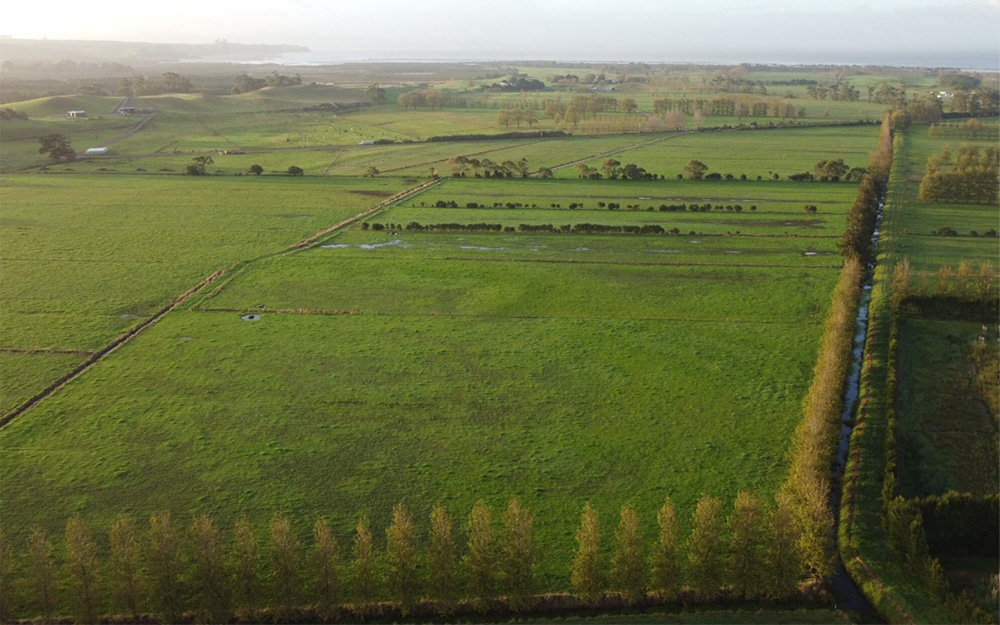
The Wright's farm sits within one of New Zealand’s largest harbour catchments, where waterways and land use directly influence coastal health. Over time, sedimentation, habitat loss and declining water quality became visible across the Kaipara.
Seeing changes in the environment prompted a shift in thinking about how farming could work alongside restoration.
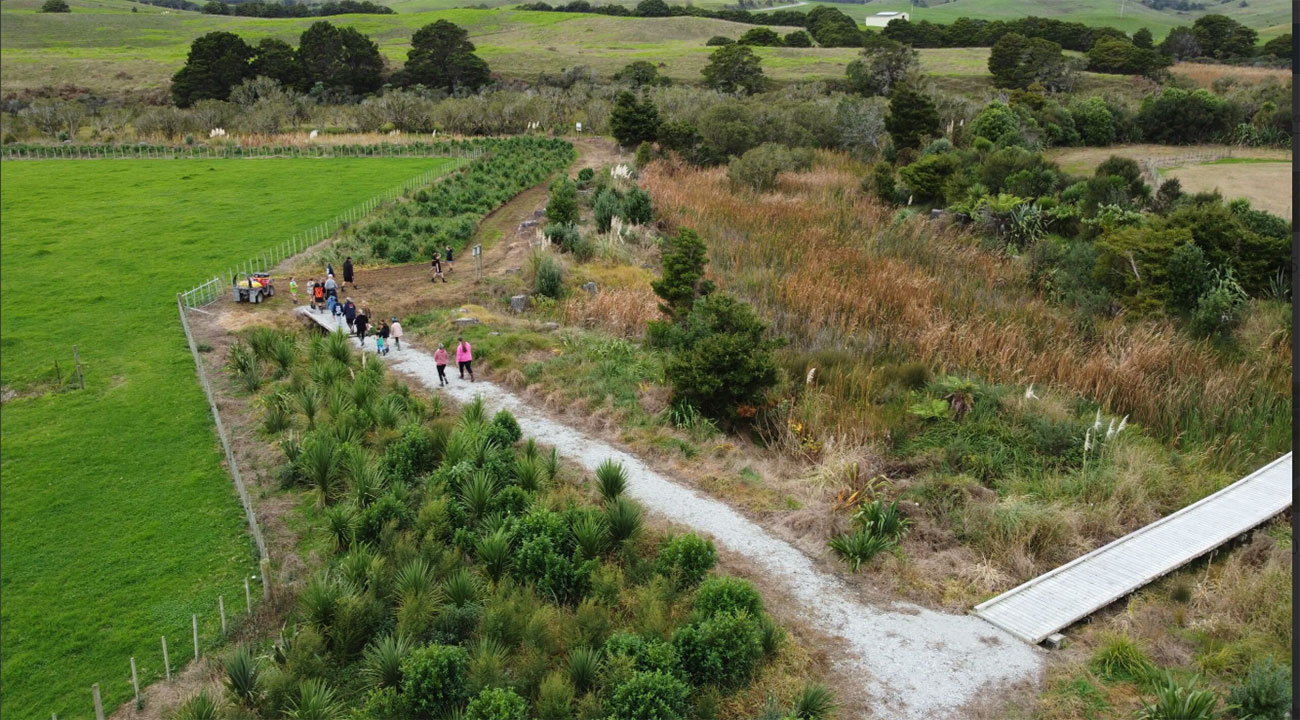
Earle is the chair of the Tapora Land and Coast Care Group, which is fencing sensitive estuary margins, creating wetlands and building public walkways. The work reflects a long-term commitment to biodiversity, kaitiakitanga and collective action.
For Earle, farming has always been about more than production. It’s about people, whenua and long-term outcomes. He wanted to show that productive farming could support environmental health and help restore landscapes for future generations.
Think about the long term.
The para fern (king fern) was once so plentiful here that the harbour takes its name from it — Kai-para, meaning "food of the para," after the fern's prized edible root. Restoring para is a way of restoring that identity. Through the Tipu Rākau nursery, taonga species like para are being propagated once again, with a plan to reintroduce them across the catchment over time.


Location:
Tapora (North west Auckland)
Farm system:
2
Herd size:
280 cows
Effective area:
100 ha
Key landscape features:
Kaipara Harbour estuaries on boundary, wetland lowlands and flat to rolling land into the estuaries.
Early change focused on linking farm management with the health of the wider catchment. Earle worked with local farmers, iwi, councils and community groups to take a “paddock to harbour” approach. This included sharing knowledge across groups and building momentum through the Tapora Land and Coast Care Group. These are some of the actions they took:
The focus isn’t just on planting, but on restoring taonga species and habitats that hold cultural and ecological value. As understanding grew, the focus expanded beyond the farm gate to whole-of-catchment thinking. Restoration became more integrated with community efforts, including planting days, nursery development and predator control. For Earle, this work reflects kaitiakitanga — caring for the land and water so it can support future generations. The work also evolved to combine mātauranga Māori with science. Some restoration areas also hold cultural and spiritual significance, strengthening the importance of protecting and restoring them.
The paddock to harbour approach is about honouring our Māori values and combining them with western science and knowledge.


The Wrights have continued to run a productive dairy system while making space for restoration, showing that environmental work needs to sit alongside a viable farm business.
If you look after the land and water, it will look after you.
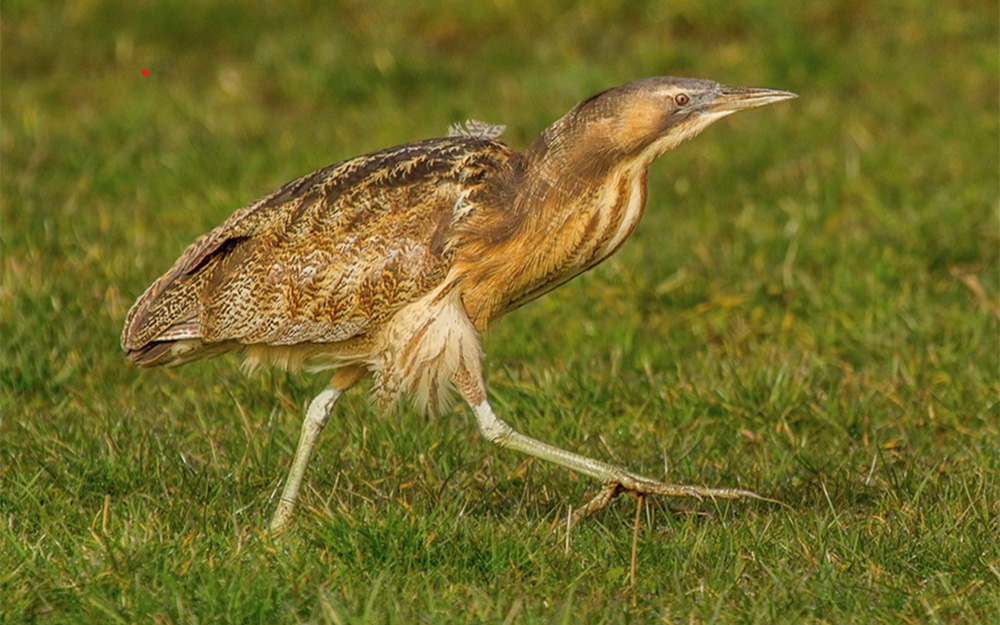
Early benefits are being seen across the environment, farm system and wider community. Water quality has improved, with clearer water and better habitat supporting the return of native fish, including whitebait, along with increased birdlife across restored areas. At the same time, managing wetlands and low-producing areas more intentionally has improved farm resilience, helping reduce sediment loss and making better use of parts of the farm that were previously difficult to manage.
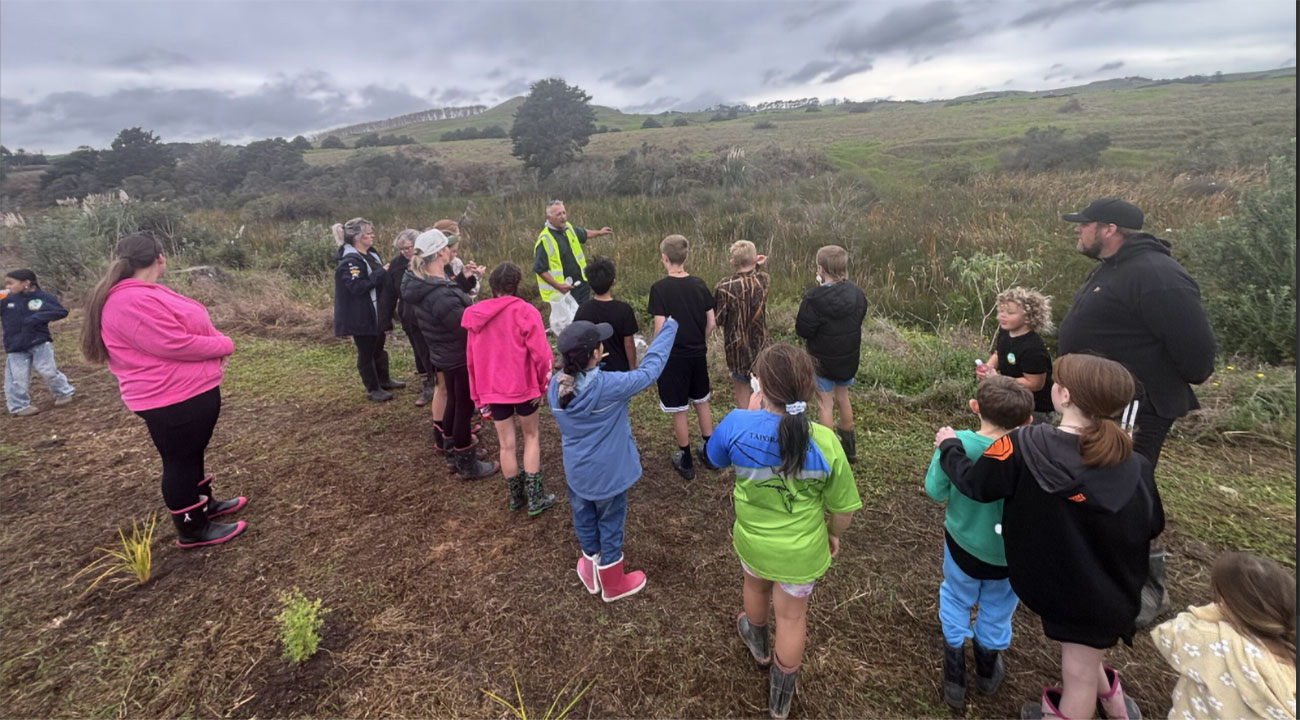
The work has also strengthened people connections, building pride in the farm and bringing the community together, with schools and younger generations involved and learning through hands-on restoration. The work has brought generations together, with younger people learning alongside older community members, helping pass knowledge on.
Start on your back door, where your gumboots are.
My strength is not as an individual, but as a collective.
The focus continues to be on scaling up restoration across the catchment. This includes expanding planting programmes, strengthening community involvement and supporting long-term protection of sensitive areas. The aim is ongoing improvement, building on what’s working and keeping momentum for future generations.
Now’s the perfect time to check in, plan, and set up for a strong season. We’ve pulled together smart tips and tools to help you stay ahead all winter long.
Whether you prefer to read, listen, or download handy guides, we’ve got you covered with trusted tools to support your journey every step of the way.
Put our proven strategies and seasonal tools to work. Boost production, support animal health and watch your profits hum.
Tools that are backed by science, shaped by farmers and made for this season.
That’s Summer Smarts.
Autumn Smarts brings together the research-backed tools that build resilience and boost performance.
The tools and insights you need to navigate the season with confidence. Backed by research and built for results – that’s Winter Smarts.