Restoring wetlands in Northland
Topics
2 min read

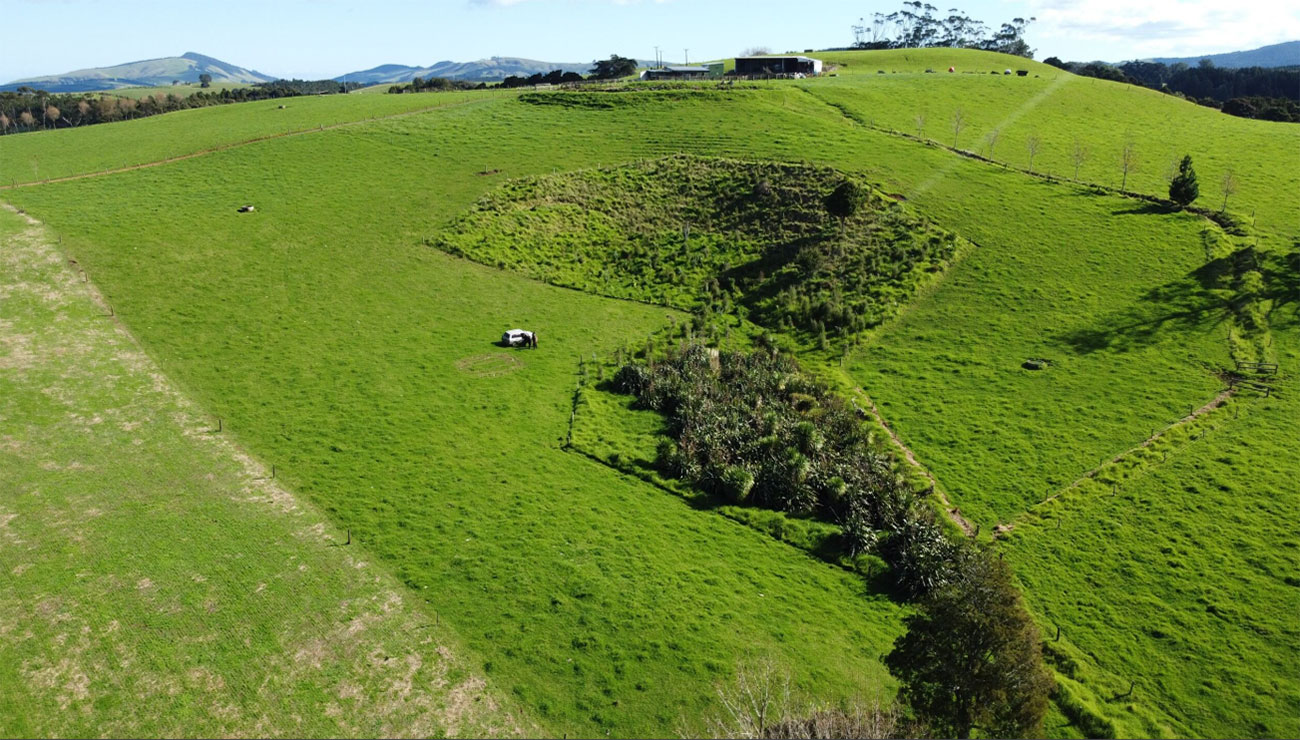
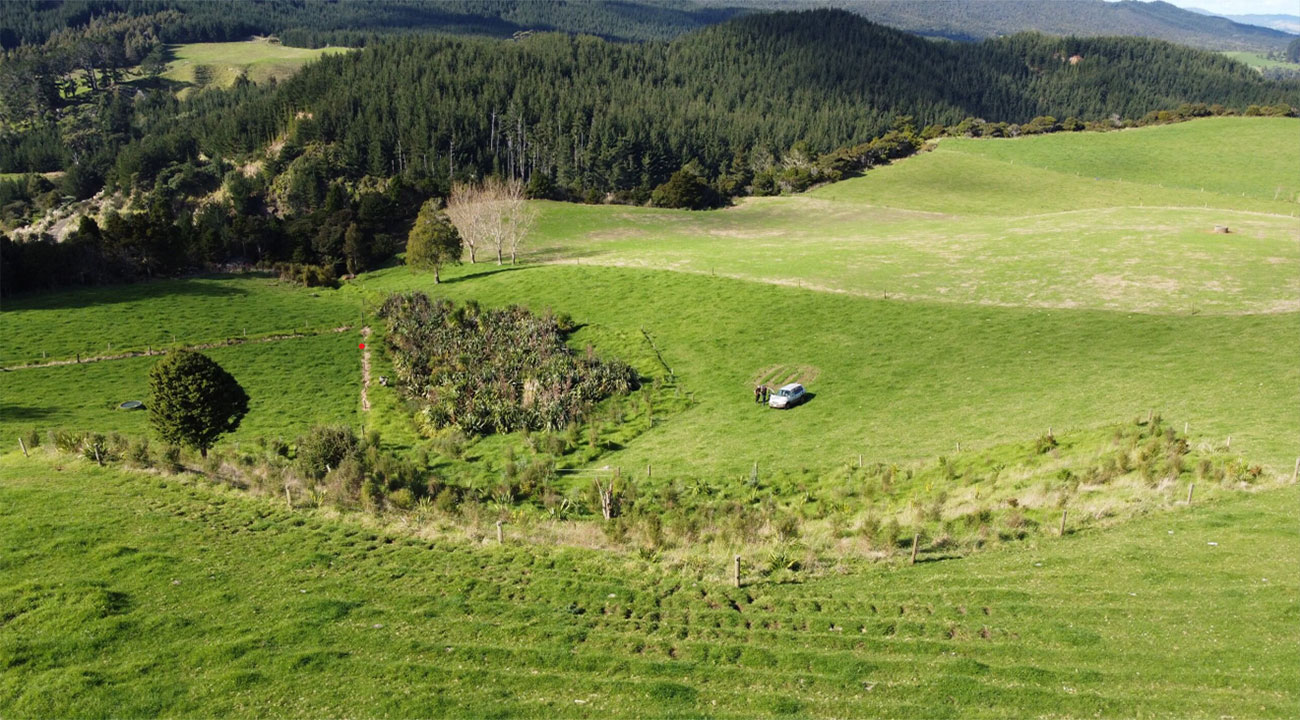
Greg and Claire Collins have transformed wet, unproductive areas of their Emerald Hills Northland farm into thriving wetlands. By fencing, retiring land and restoring native vegetation, they’ve reduced stock losses, improved farm efficiency, and seen biodiversity return. What started as a practical decision has reshaped how their farm performs environmentally and economically.
When Greg and Claire purchased the farm, almost all land was being grazed, including wet, fragile areas that were not suited to intensive use. Cattle regularly wandered into bush remnants and swampy ground, often becoming bogged and requiring time-consuming recovery. Wetland areas were seen as a liability, limiting efficiency and creating stress in day-to-day operations. Greg and Claire wanted to better align their farming with the natural strengths of the land, while improving efficiency and reducing unnecessary pressure on marginal areas.
It wasn’t the dairy platform itself that drew us to the farm… it was the wild places to begin with.
Location:
Dargaville, Northland
Farm type and system:
2
Herd size:
140 cows
Effective area:
60ha
Key landscape features:
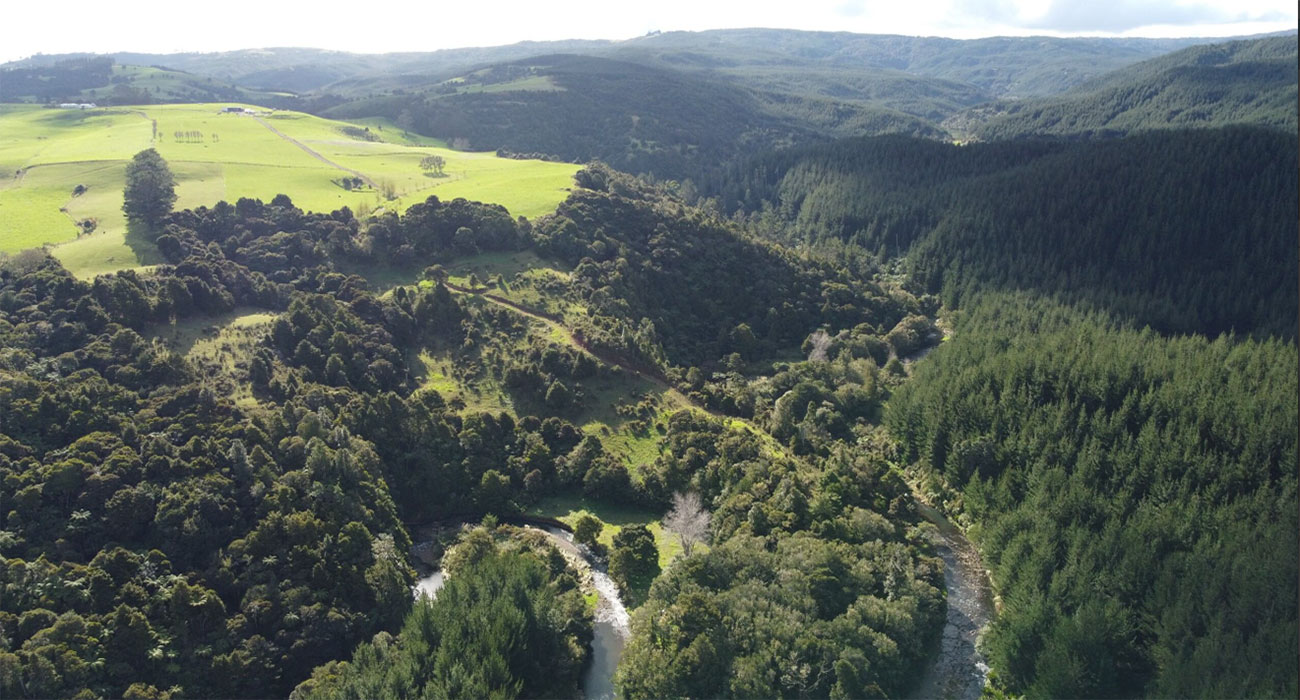
Edge of the Trounson Kauri Forest, some beautiful remnant forest area, steep hill sides and wetland seeps.
The turning point came from stepping back and asking what the land was naturally suited for. Rather than forcing production everywhere, they identified wet and fragile areas that could be taken out of grazing and restored. Early planning focused on working with existing natural features and seeking guidance and support where needed, particularly from the regional council. These are some of the actions Greg and Claire took:
Greg and Claire have taken an incremental approach, improving areas over time rather than all at once. Support from funding partnerships has helped accelerate progress, while ongoing learning has shaped how they prioritise areas and manage restoration. The process has remained flexible and practical.


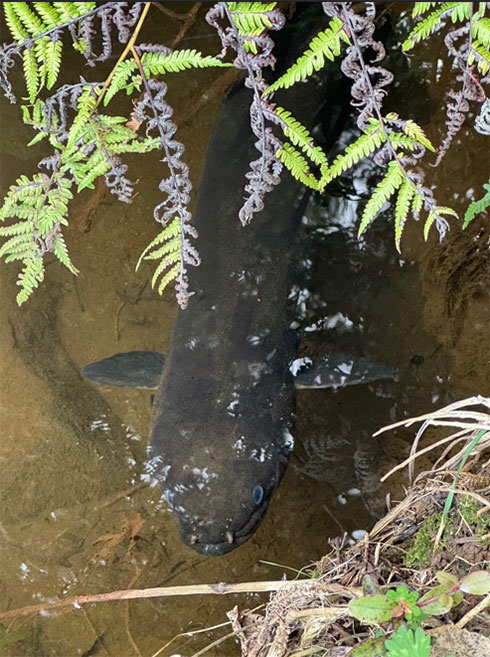
As the wetlands have developed, Greg and Claire have seen clear benefits across the farm system. “Native species like tuna, kōura and kōkopu have returned, and water quality has improved through natural filtration,” says Claire. “Less stock losses and time spent managing boggy areas have made the farm easier to run. We’re really proud of the changes we’ve mad – the waterways are healthier, we enjoy swimming in them, and we feel more connected to the farm.”
You can’t do it all in one hit, but chipping away at it makes it possible.


Greg and Claire will continue building on their restoration work, extending planting and refining how wetlands function within the wider farm system. Ongoing improvements will focus on strengthening both biodiversity outcomes and farm efficiency over time.
Now’s the perfect time to check in, plan, and set up for a strong season. We’ve pulled together smart tips and tools to help you stay ahead all winter long.
Whether you prefer to read, listen, or download handy guides, we’ve got you covered with trusted tools to support your journey every step of the way.
Put our proven strategies and seasonal tools to work. Boost production, support animal health and watch your profits hum.
Tools that are backed by science, shaped by farmers and made for this season.
That’s Summer Smarts.
Autumn Smarts brings together the research-backed tools that build resilience and boost performance.
The tools and insights you need to navigate the season with confidence. Backed by research and built for results – that’s Winter Smarts.